The NPR Student Podcast Challenge received dozens of submissions about immigration. The student podcasters shared their stories of hope, struggle and success.
Inclusion, lifelong learning, quantified life and mindfulness are four cultural trends that have influenced society and, as a consequence, education, Tom Vander Ark writes in this commentary. School leaders are grappling with what these trends mean for instructional practice and reporting measures, Vander Ark writes.
Removing obstacles to get students in the door is only the first step to combating chronic absenteeism, according to the National School Climate Center. Maurice Elias writes in this article about the first step and shares that creating a welcoming environment that inspires, supports, respects and engages students is the next step.
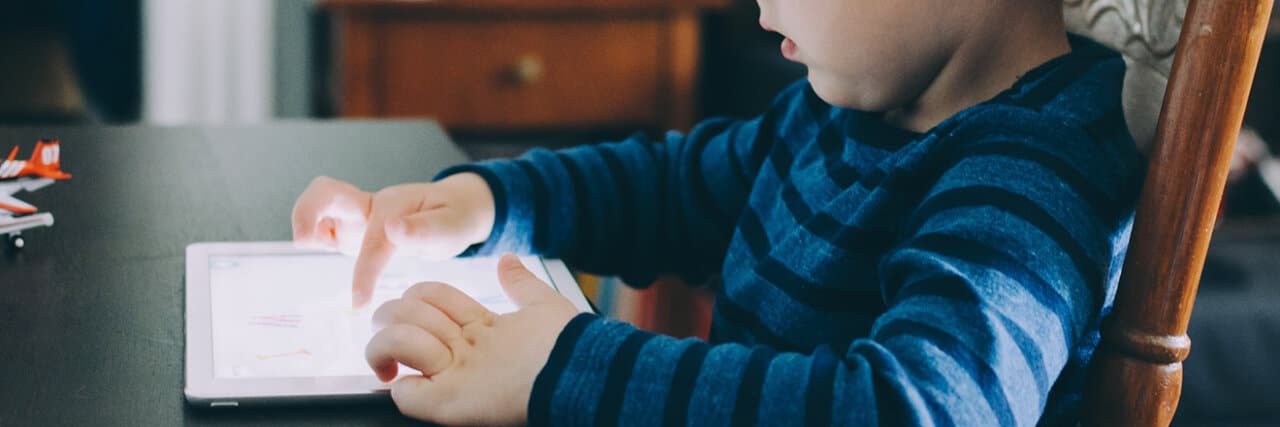
Using computing devices in language arts classes may be linked with lower reading scores, particularly for younger students, according to research from the Reboot Foundation. Fourth-graders who used tablets in class had lower reading scores than those who never used them, but older students appeared to benefit by using devices, in a limited capacity, to…
For educators, summer serves as a similar ‘sharpening season’ of sorts. As much as we love teaching, the end of the school year presents valuable time and opportunity to reflect, rejuvenate, retool, and ‘sharpen’ our skills through exploration, learning, and professional development.
There are several ways teachers can make grading fairer and less subjective, writes educator Cheryl Mizerny. In this blog post, she shares six strategies, including establishing clear criteria for graded work, reconsidering assigning zeroes and considering using weighted grade categories.
Essays, tests and final projects are often the culmination of learning. But English teacher Kendal Rolley says they can be valuable teaching tools, too.